Industrial spare parts and engineering components – the right manufacturing method for the job

Is the spare part no longer available? Does the existing part warp under heat, wear out too quickly or fail when exposed to oil or chemicals? Do you need a production jig, fixture or other aid that is unavailable off the shelf?

Tell us where the part is used, what is wrong with the current solution and what the part needs to withstand. HeKeyTech will work out the right material, manufacturing method and overall approach. The best option may be a high-performance polymer, a metal or a combination of materials and processes.

You can get in touch without a finished 3D model or a complete request for quotation.

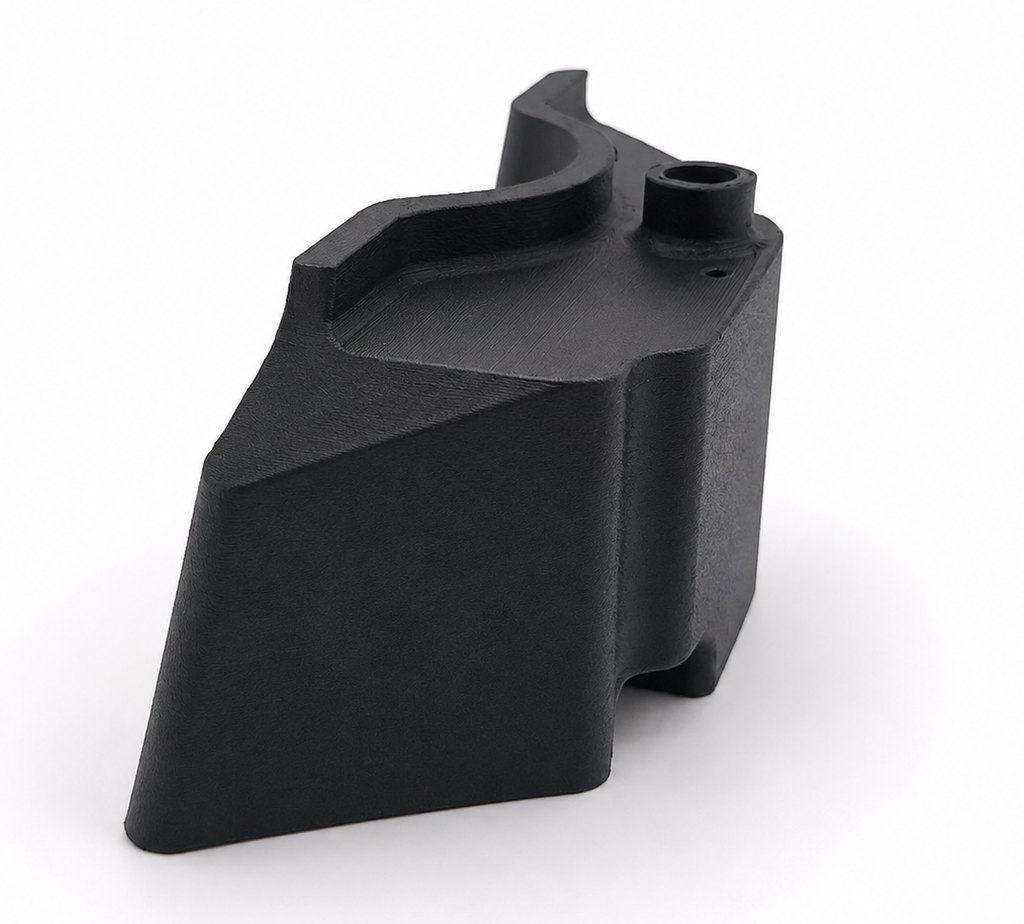
3D-printed oil baffle

One small part can bring a much larger operation to a halt

Problems with industrial parts usually start with a practical need. A spare part is no longer available, the current material fails in service or a production step needs a better tool. The choice of manufacturing method comes later.

The spare part has been discontinued

The original part may have been discontinued, the lead time may be too long or the price of a single spare part may be prohibitive. We can begin assessing a replacement using the broken part, photos, dimensions or an existing model. In some cases, this can significantly extend the service life of an older machine and avoid having to replace the entire machine with a newer one.

The part cannot withstand its operating conditions

Heat, oil, fuel, process chemicals, wear or mechanical loads can quickly cause a part made of the wrong material to fail. We assess the operating conditions before selecting a material.

The metal part is too heavy or too expensive

When a part moves, accelerates rapidly or flies, every gram matters. If a significantly lighter engineering plastic part can replace a metal one, both cost efficiency and equipment performance can improve.

Production needs a tool that fits the job

An assembly jig, welding jig, measuring jig, fixture, clamp, guard or robotic component can be designed to speed up or enable a specific production step. Feedback from the people using it can help refine the solution.

The material or manufacturing method is still to be decided

PPS-CF, PEEK, aluminium or steel? You can start without knowing which material or manufacturing method suits the part. The choice depends on the application, requirements, quantity, schedule and total cost. FDM printing is often a good way to make a first prototype quickly, while taking into account that the final part may use a different process.

You don’t need to have the solution worked out

Tell us what part you need

Where is the part used? What is wrong with the current solution? What does the part need to withstand, and how many do you need? A description in your own words is enough to get started. We can then review photos, dimensions, a drawing, an old part or a 3D model.

We identify the material and manufacturing method

We assess temperature, chemical exposure, loads, wear, accuracy, quantity and any other relevant requirements. Then we compare viable options from both a technical and a commercial perspective.

We design, manufacture and refine the part

Once we have chosen an approach, we model the part or finalise the design for manufacture. HeKeyTech can make the part in-house, work with a suitable manufacturing partner or combine several processes. The aim is to find a solution that makes technical and commercial sense for the customer.

A hard-to-source spare part can sometimes be remade and improved at the same time
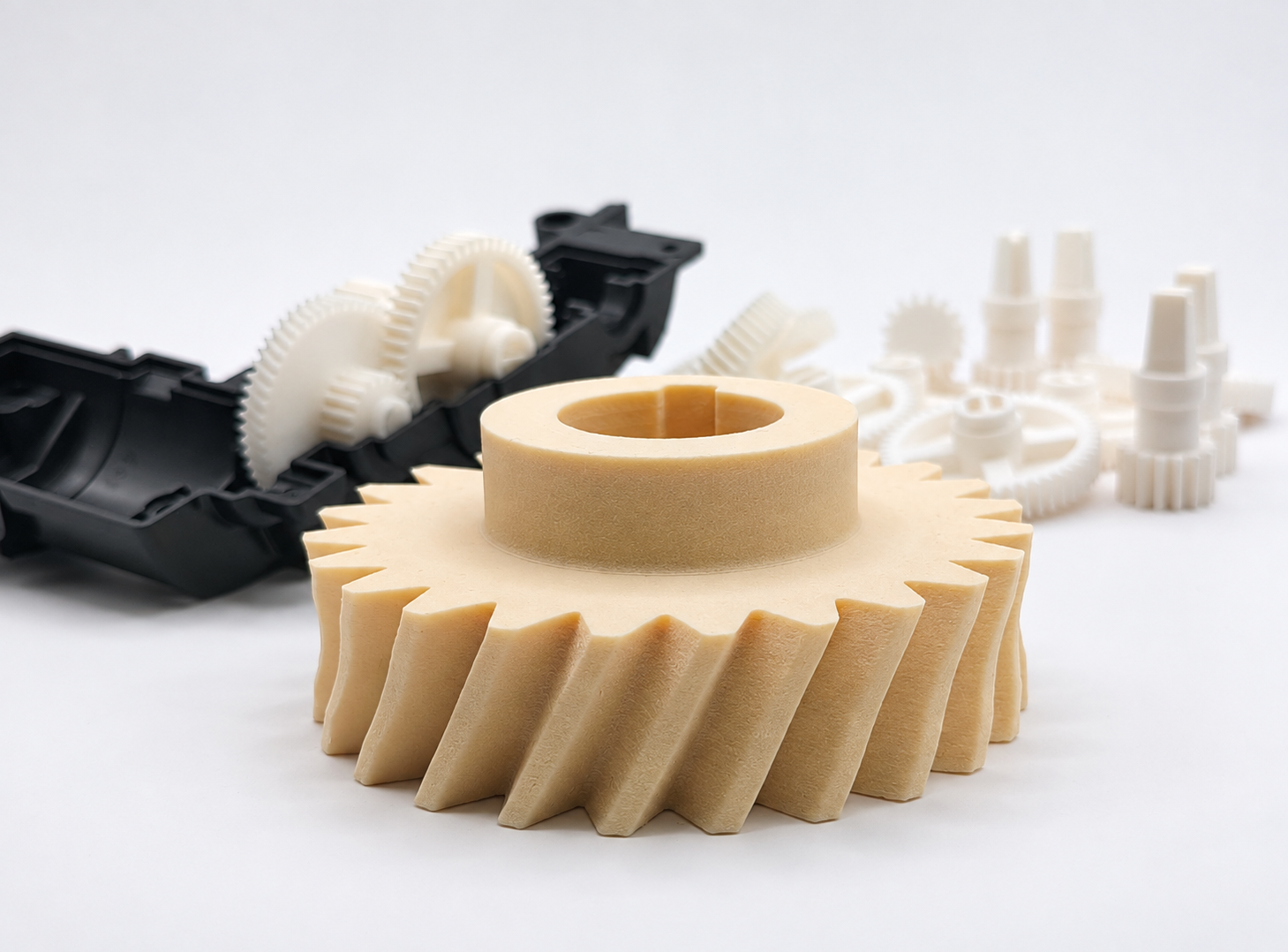
HeKeyTech’s self-lubricating TriboPrint gear
Wear-resistant industrial gears reduce maintenance needs. Self-lubricating engineering polymers can further reduce both maintenance and the need for separate lubrication.

In industrial process equipment, one small broken part can halt an entire production step. The original drawings may be unavailable, and the original manufacturer may no longer exist.

We can start assessing whether a replacement can be made using the physical part, photos and dimensions. If we know why the part failed, we can also improve its material or design where needed.

Possible goals include

  • reducing production downtime
  • extending the service life of a machine or piece of equipment, or improving its reliability
  • replacing a hard-to-source or discontinued spare part
  • making a one-off part or a small batch without a conventional mould

A solution may involve a 3D-printed engineering plastic part, a metal part or a combination of manufacturing methods. The best method depends on the part.

Typical applications include maintenance in the process industries, older machinery and equipment, specialist vehicles, and the replacement of hard-to-source service and spare parts.

A jig, a fixture or simply a part that holds everything in place?
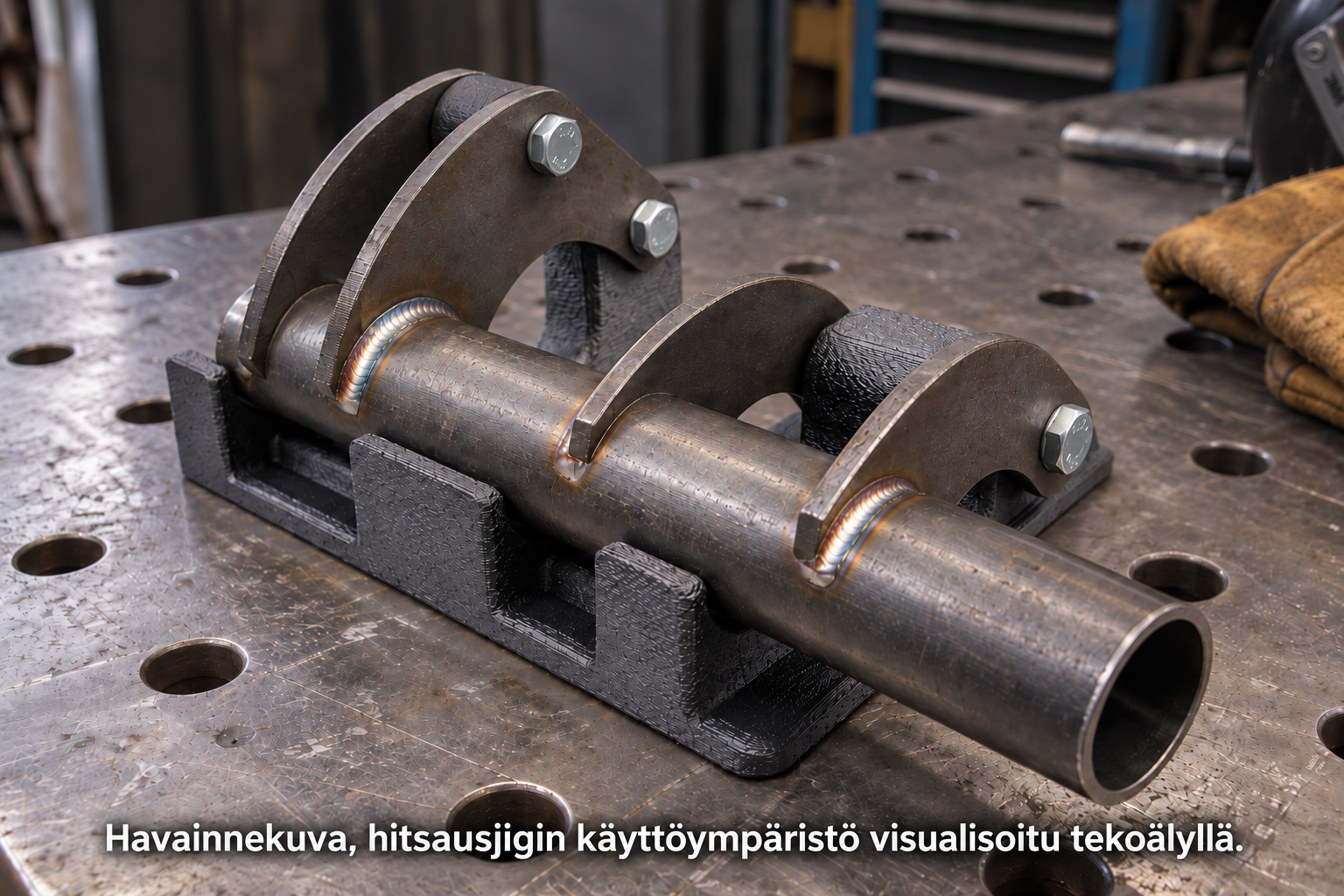
Welding jig made from PPS-CF
This welding jig withstands temperatures of around 200 °C, speeds up production and positions parts accurately.

These tools go by many names. The practical goal is to make a production step faster, more reliable and easier to repeat.

A custom production tooling can hold parts in place for welding, guide assembly, simplify measurement, protect a product or reduce the weight of a robot gripper. Designing the aid for a specific job also makes it possible to account for operator ergonomics and workplace requirements.

3D printing can quickly produce items such as

  • welding jigs, assembly jigs and measuring jigs
  • fixtures and precision clamps
  • robot gripper components and suction cup holders
  • drill guides, installation supports and guards
  • one-off tools and prototypes that are quick to modify

A 3D-printed jig or fixture is usually lighter than a conventional one, and its design can be modified without investing in an entirely new tool. Material selection takes into account stiffness, wear, heat, chemical exposure and the required dimensional accuracy, among other factors.

Typical users include machine shops, automation integrators, electronics manufacturers and teams working in maintenance and other areas of industrial production.

Heat, oil and chemicals. Sometimes all at once.
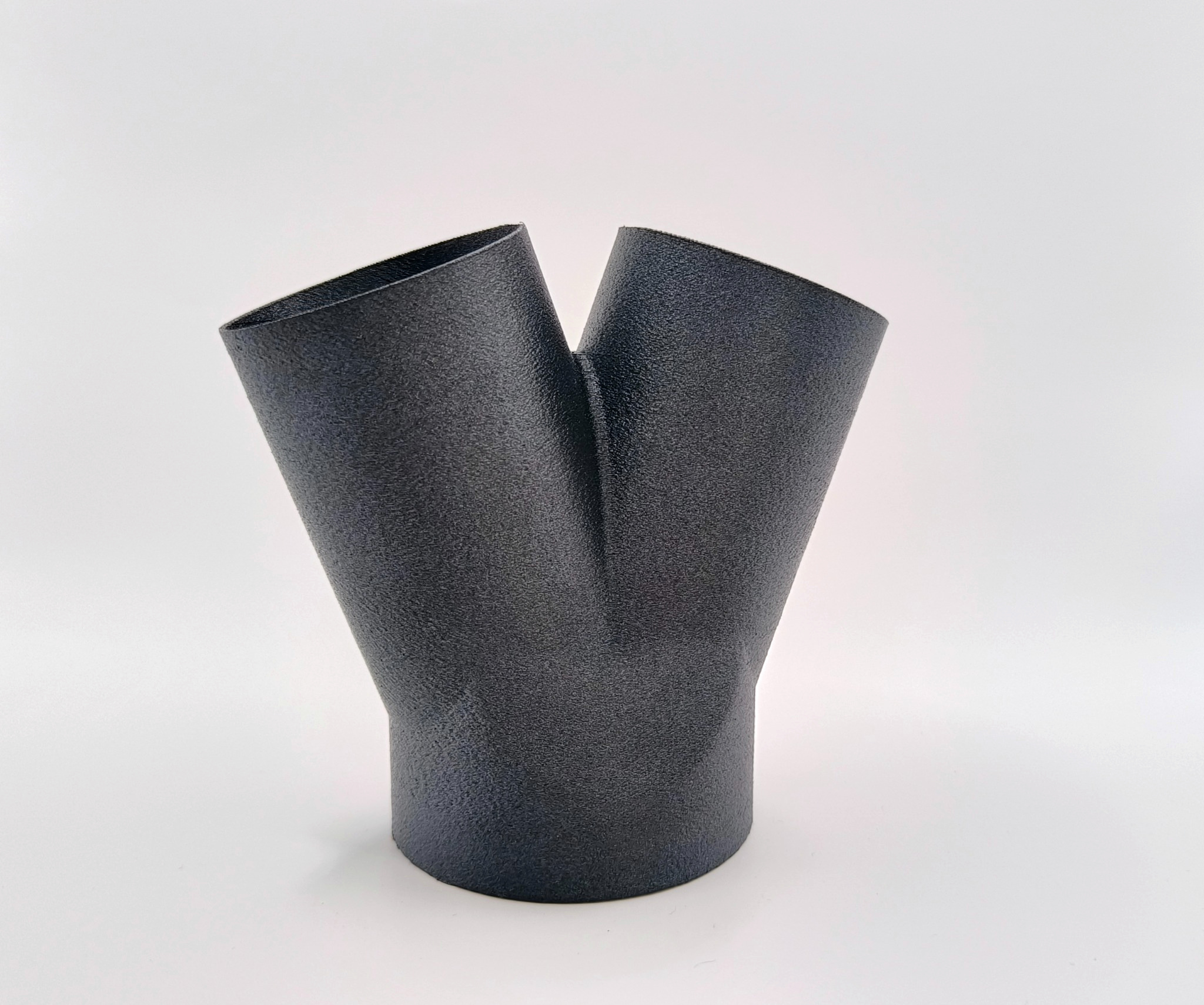
Lightweight part made from PPS-CF
An example of a lightweight component for directing air and gas flow. With the right material, similar parts can also be used in demanding conditions, including in airborne equipment, cooling systems and industrial process applications.

Material selection for a functional part depends on several factors beyond the material name or any single property. Temperature, chemical exposure, wear, pressure, stiffness, loads and build orientation all affect how the part performs in service.

Case studies

Prototypes and parts built for real-world use

Solving an oil pressure problem in a Formula Student race car
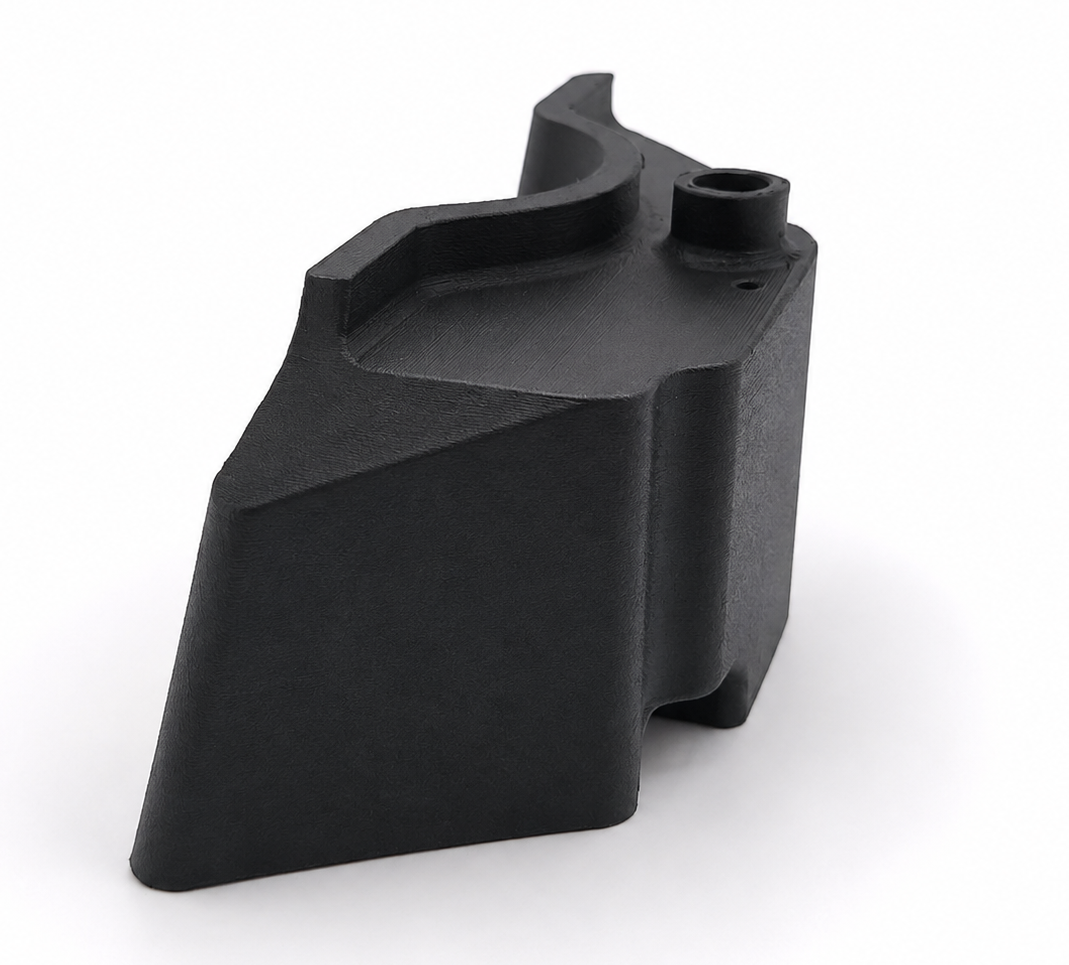
3D-printed part for stabilising oil pressure in a Formula Student race car

Challenge. Oil moving during cornering caused oil pressure problems in the Formula Student race car. The part had to fit in a tight space and withstand hot engine oil and vibration.

Solution. HeKeyTech worked with the Formula Student Oulu team to develop a solution that reduces engine oil slosh and withstands oil, chemicals and heat. We chose PPS-CF and prioritised low weight in manufacturing to meet the race car’s requirements.

Result. The part went into service in the race car and worked as intended while exposed to hot engine oil, heat and vibration. It could be made quickly without separate moulds or other production tooling.

PPS-CF · Material selection · Industrial 3D printing

Protective enclosures for Proventia’s high-voltage application
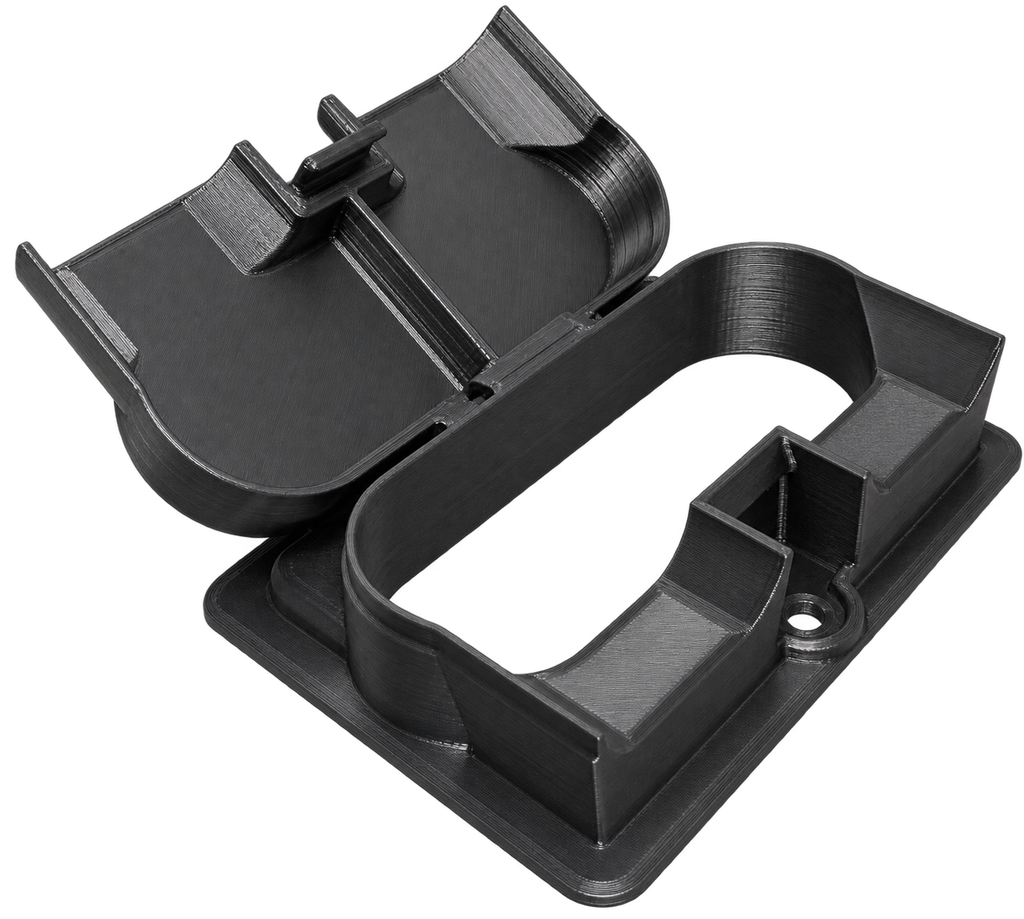
Challenge. Proventia’s product development team needed prototypes for electrical connection and electronics enclosures quickly. The high-voltage application called for a material with a high comparative tracking index (CTI) to help resist electrical surface tracking and a UL 94 V-0 flammability rating.

Solution. We worked with the customer to identify a suitable material based on the requirements, then quickly produced the enclosures as functional prototypes.

Result. Proventia received prototypes suited to testing and the next stages of product development without a lengthy wait for tools or moulds to be made.

Electronics enclosures · Material selection · Industrial 3D printing · Prototype manufacturing

From a spare part to a production run of around 1,000 parts
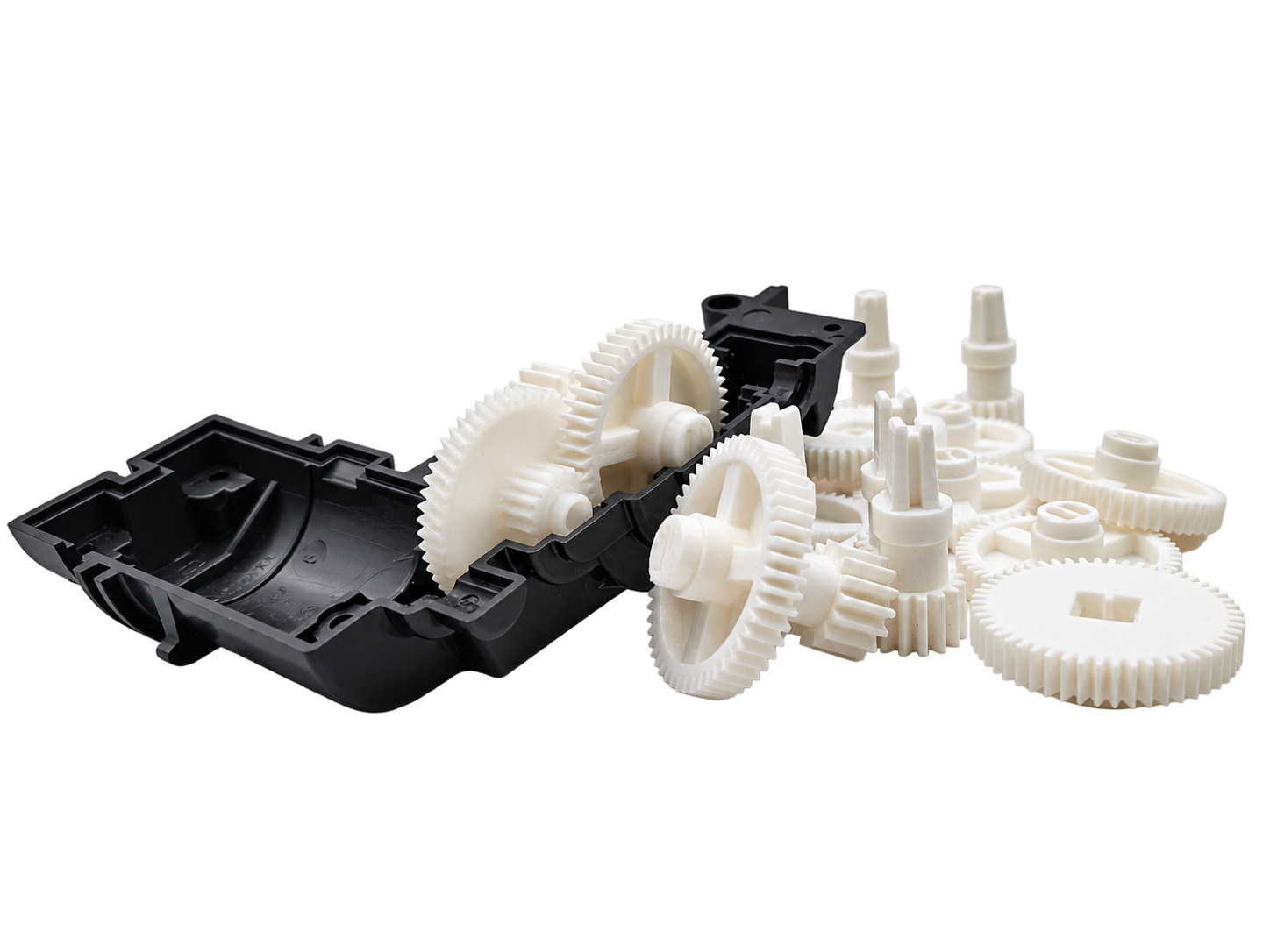
3D-printed gears for a robotic vacuum cleaner

Challenge. The robotic vacuum cleaners needed small, precise gears and other spare parts that would work reliably in the actual machines.

Solution. We designed the parts for the printing process from the outset. We developed the print parameters around the parts’ requirements so their small features, dimensional accuracy and performance would meet the needs of the application.

Result. Around 1,000 parts were delivered to hundreds of businesses and consumers in more than 30 countries. In this case, 3D printing went beyond prototyping to produce end-use spare parts in quantities that matched demand.

Series production · 3D printing · Product design · Product development

You can get in touch without a formal request for quotation. Start by telling us about the problem with the part.

Frequently asked questions

First part free – Do you have a great idea for a 3D-printed product?

Do you have a spare part that is difficult to source or seems unreasonably expensive? Or an idea for a part that might make more sense to produce by 3D printing?

We are looking for industrial applications where additive manufacturing can improve part availability or performance, or reduce costs. We are particularly interested in parts with recurring demand that could be developed into products for other companies with similar needs.

For selected applications, we will design and manufacture the first test part for you free of charge. The goal is a cost-effective product that has proven to work in practice and that we can continue to manufacture and supply to others.

Tell us about the part or idea, the problem you want to solve and how many parts you expect to need. You don’t need a finished 3D model. We’ll assess manufacturability together.

Scroll to Top